

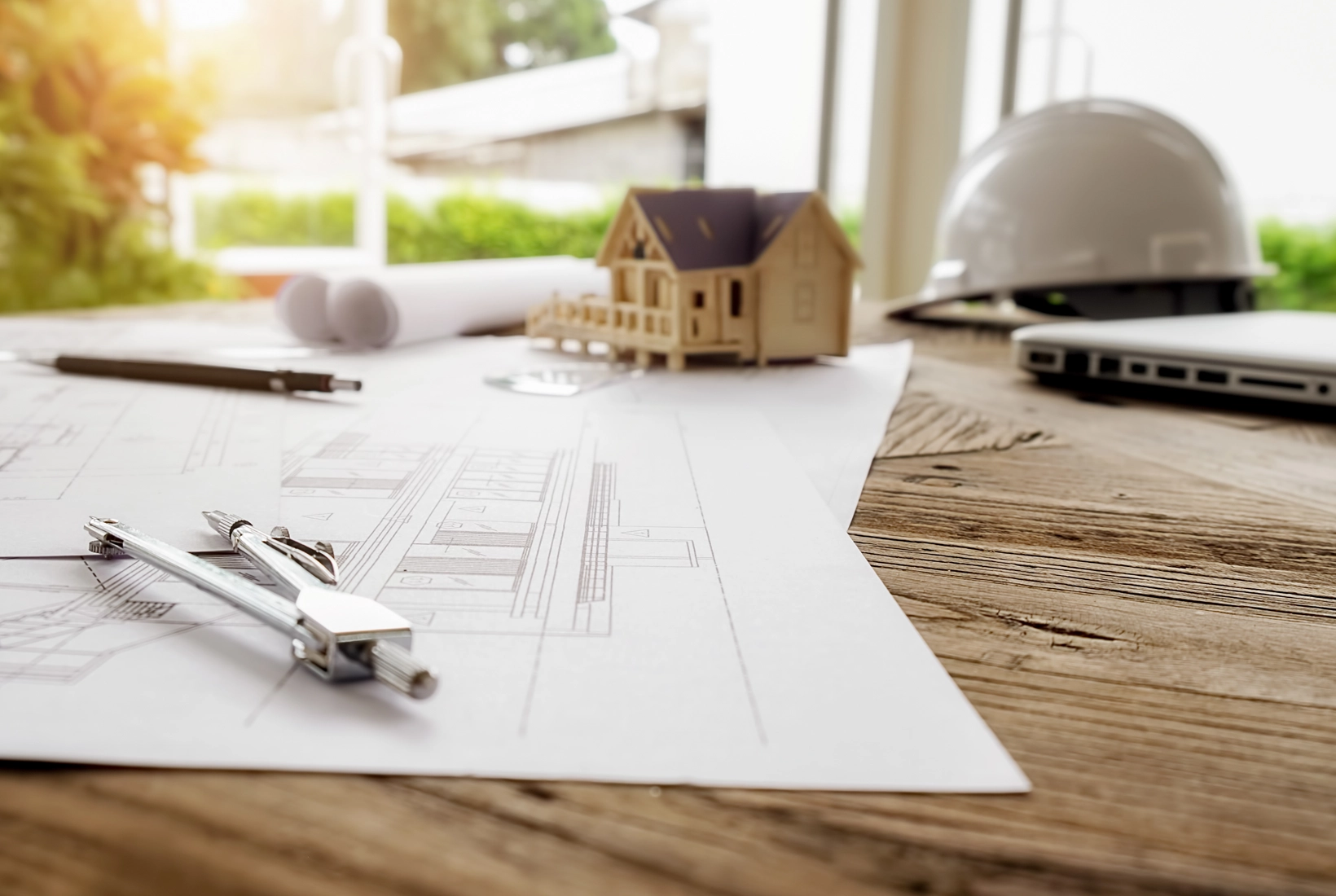
Architectural design is not only a visual art but also an engineering discipline that responds to functional needs. Today, buildings that meet expectations for both aesthetics and functionality have become essential for successful projects. But how is it possible to maintain this balance?
1. The Power of Aesthetics: More Than Just First Impressions
Aesthetics create a building’s identity and evoke emotions at first glance. In architectural design, color palettes, textures, material choices, and building forms shape the aesthetic concept. However, aesthetics are not just about beauty; they also tell a cultural story. Designs that harmonize with the local environment make projects unique.
2. The Indispensability of Functionality
No matter how visually appealing a structure is, it fails if it doesn’t meet the needs of its users. Functionality includes elements such as ergonomics, spatial organization, energy efficiency, and durability. For instance, smart building systems or modular designs offer solutions tailored to modern needs.
3. Keys to Achieving Balance in Design
- User-Centric Approach: Understanding who the structure is designed for and its intended use is critical before starting the project.
- Material Selection: Using materials that offer both aesthetic appeal and durability ensures the longevity of the design.
- Technology Utilization: 3D modeling and simulation tools are ideal for testing the balance between aesthetics and functionality beforehand.
4. Successful Examples: Inspiring Projects
There are many structures worldwide that successfully achieve this balance. For example, The Gherkin in London combines a modern aesthetic with energy efficiency. Similarly, Turkey’s Salt Galata building merges historical aesthetics with modern functionality.